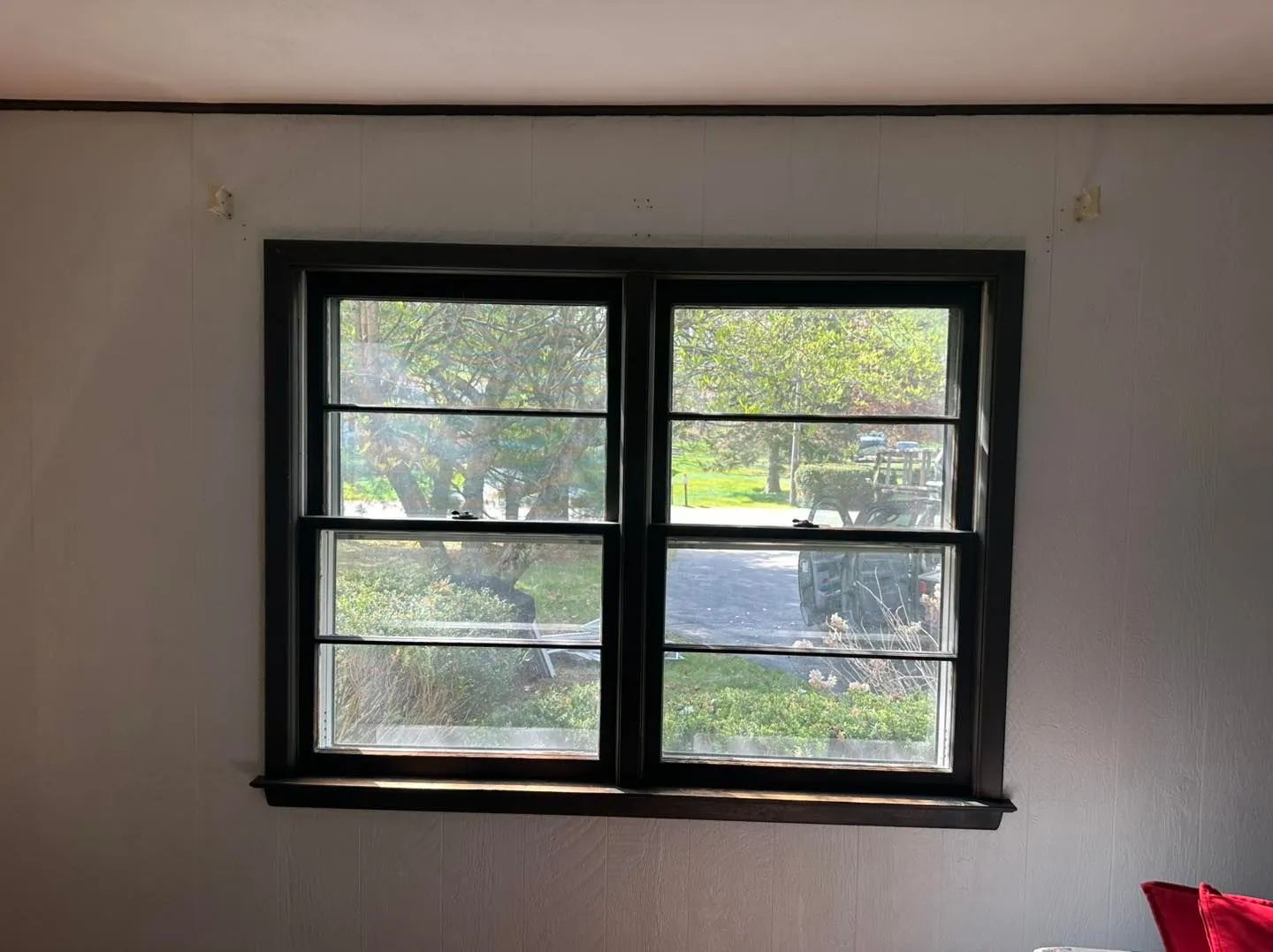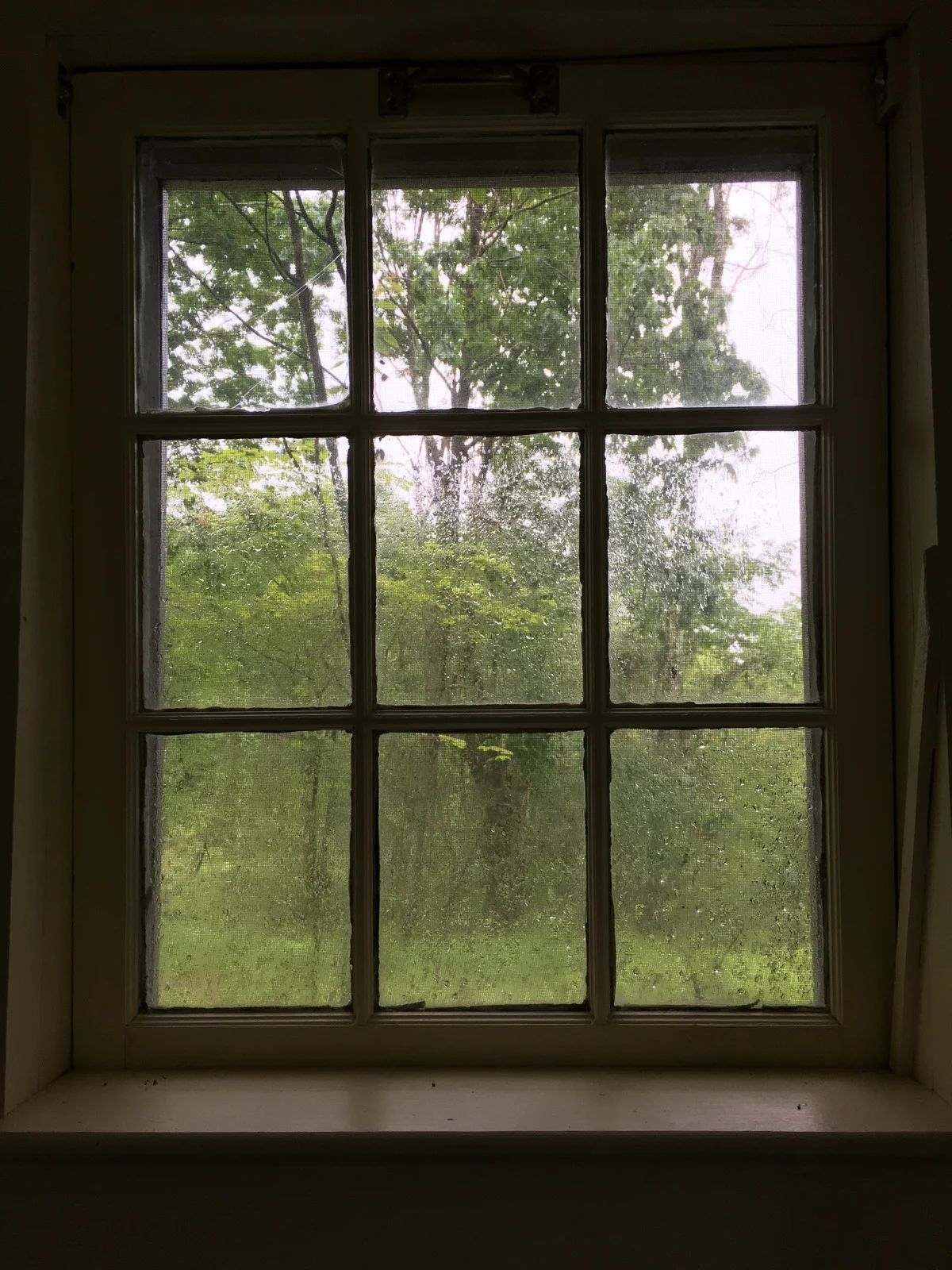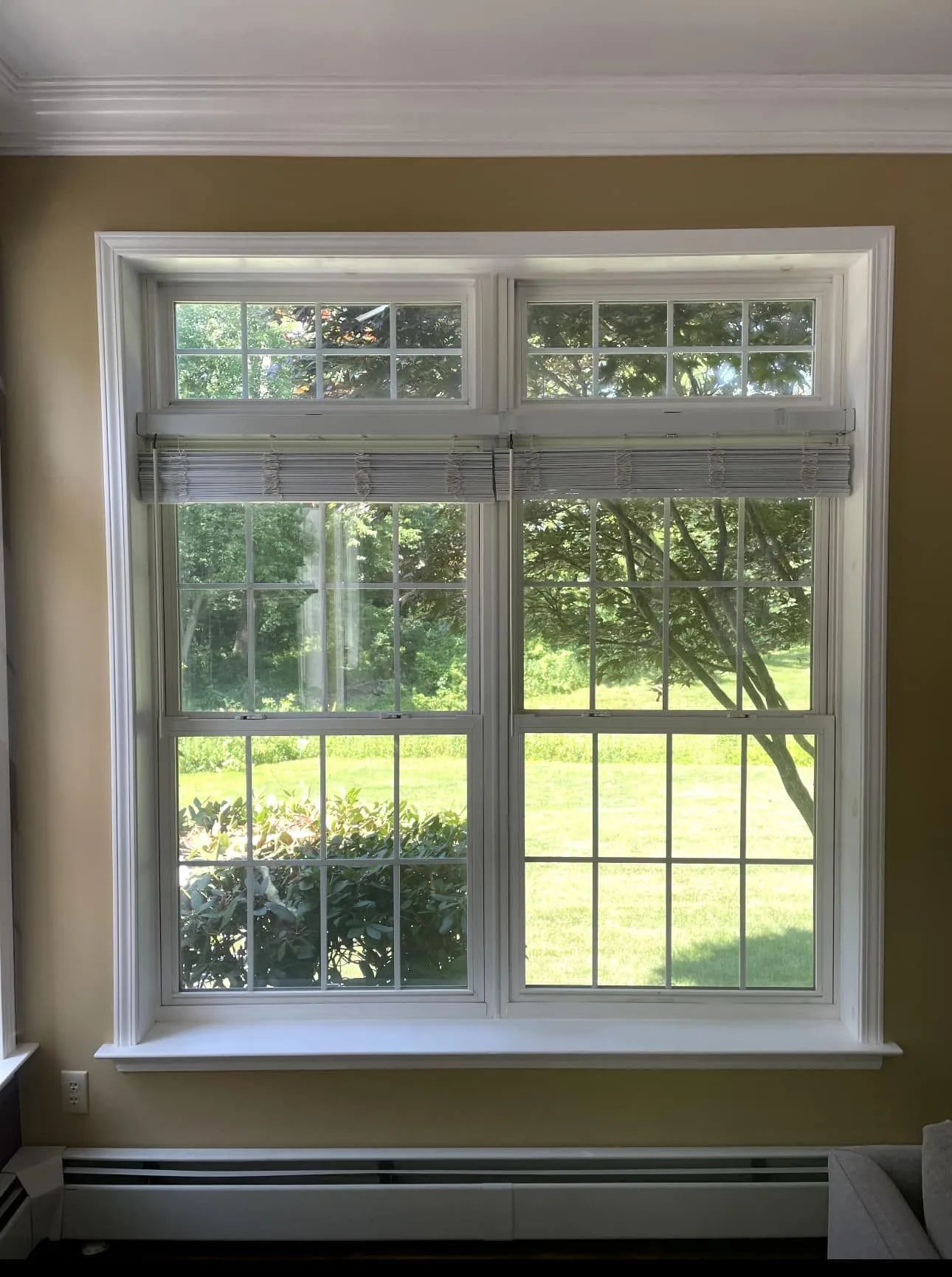
You measure the opening twice, write the numbers on a scrap of paper, and head to the store sure you will walk out with a match. Then you reach the window aisle and nothing fits. The width sits half an inch short. The height runs an inch long. The frame profile looks nothing like the other windows on that same wall. So you stand there, wondering if you measured wrong or if the house is just built odd.
You measured fine. The house is the problem, and not in a bad way. A custom window is one made to the exact size, shape, and style of your opening rather than forced into a fixed size a factory keeps ready to ship. You start thinking about going custom the moment your opening, your home's age, or the look you want stops matching what sits on a shelf. After pulling trim off enough walls over the years, we can tell you most older openings never land on a clean, even number anyway.
So What Counts as a Custom Window?
A custom window is built to your measurements, down to the eighth of an inch, instead of the nearest size a manufacturer mass produces. Stock windows come in set increments, usually jumping two inches at a time. Your opening rarely cares about those increments. When it falls between two stock sizes, you either shim a smaller unit in or order one cut to fit. Custom also covers shape and operation. Round tops, arches, trapezoids over a staircase, a narrow unit beside a front door, any of these moves you out of stock territory. The glass, the frame material, the grille pattern, even the way the sash opens all get specified. So custom is less a single product and more a way of ordering: you set the spec, and the window gets built around it.
How Custom Differs From Stock
The gap shows up most in the fit. A stock window dropped into an opening it does not quite match leaves spaces that get packed with foam, shims, and extra trim. Every one of those spaces is a spot where air sneaks through and water can find a path. A window built to the opening sits tight against the framing with far less filler. Material choice widens too. A unit built to spec opens the door to thicker frames, warmer glass, and finishes that match the house.
When It Makes Sense to Go Custom
Reach for custom when stock simply will not serve the opening or the goal. The clearest case is a nonstandard opening, anything taller, wider, or oddly shaped that no off the shelf size covers. Older homes are full of these. Hand framed openings, settled foundations, and decades of small repairs leave almost no two openings identical, even on the same wall.
The second case is matching. If you replace two windows on a facade and leave four originals in place, a near match still reads as wrong from the street. Custom lets the new units copy the sightlines, the muntin spacing, and the proportions of the old ones.
The third case is a tough spot. A window over a drafty staircase, a large picture window facing winter wind, or a bedroom unit that has to open wide enough for safe escape all benefit from being built for the job. The fourth is design. When you want a shape, a stain, or a glass pattern no catalog carries, custom is the only road there.
Materials and Glass That Matter in a Cold Climate
Most custom orders still start from familiar building blocks, just specified with more care. Vinyl frames stay popular because the material holds up against moisture and asks for little upkeep. Wood interiors with a clad exterior give you the warm look inside and a tougher shell facing the weather. Fiberglass sits in between, stable across temperature swings.
On glass, the choice that matters most in a cold climate is the coating and the fill. A low emissivity coating reflects heat back where you want it, and an argon fill between two panes slows heat loss. Double pane is the baseline. Triple pane adds another layer for rooms that stay cold no matter what you do. Operation is part of the spec too, and we usually match the style to the room and the wall it lives on rather than the other way around.
Why Older Homes Around Here Lean Custom
Homes in this region give custom windows plenty of reason to exist. A lot of the housing stock dates back decades, some of it well over a century, and the openings were framed by hand long before standard sizing existed. Pull the trim and you often find an opening that drifts a half inch from top to bottom.
The climate adds its own pressure. Cold, long winters followed by humid summers put frames through a constant freeze and thaw cycle. Wood moves. Old single pane glass does almost nothing to hold heat in January. On service calls we frequently find original windows painted shut, sashes that no longer meet in the middle, and gaps you can feel with the back of your hand.
When Stock Is the Smarter Call
Custom is not always the answer, and we will say so when it is not. If your home is newer and the openings were framed to standard sizes, a quality stock window often drops in clean and performs just as well. The same goes for a basement or utility window in a spot nobody sees. Honest answer: plenty of replacements are better served by good stock units, and forcing custom everywhere is how a simple project turns slow and complicated for no gain.
Getting the Measurements Right
A custom window only works if the numbers are right. We measure each opening in three spots for width and three for height, then build to the smallest reading so the unit clears on every side. We check for square by comparing the diagonals, because a rack of even a quarter inch changes how the sash seals. Most callbacks we see trace to a unit ordered off one quick measurement that was off by half an inch.
TIP: Before you call anyone, measure your opening width at the top, middle, and bottom. If those three numbers are not identical, the opening is out of square, which is a strong sign you are headed for a custom unit.
Frequently Asked Questions
How long does it take to get custom windows?
Custom windows take longer than stock because each unit gets built to your exact opening rather than pulled from a warehouse. Plan on several weeks from the final measurement to delivery, and sometimes a bit more during the busy seasons. We confirm a realistic timeline once your measurements are locked, so you know exactly what to expect before anything goes into production or gets ordered.
Do custom windows help with bedroom escape requirements?
Yes. A bedroom window has to open wide enough for a person to climb out safely during an emergency, which matters most in finished basements and converted attics. When the opening falls outside standard sizes, a custom unit lets you reach that safe clear opening without tearing the whole surrounding wall apart or reframing the space. We size each one to clear properly.
Are custom windows worth it for older homes in this area?
Often, yes. Many homes around here were framed by hand decades ago, so the openings rarely match standard sizes once you pull the trim and look closely. A unit built to the exact opening seals tighter against our cold winters and humid summers than a stock window shimmed into place ever really will. For older houses, that snug fit is usually worth the wait.
Can I get custom windows in any shape?
Mostly. Arches, round tops, trapezoids over a staircase, and narrow units beside a front door are all common custom shapes we handle without much trouble. Truly extreme designs can run into structural limits, since the opening still has to carry load above it. But for the shapes most homes call for, building to spec is a normal request, not an unusual one at all.
How do I know if my windows need replacing or just repair?
Look for drafts you can feel with your hand, sashes that stick or will not stay up, fog trapped between the panes, and soft wood you can press a screwdriver into. A single sticking sash often repairs fine and buys you years. Widespread drafts and failed seals across many windows at once usually point toward full replacement instead, since the repairs stop holding.
Get Honest Custom Window Guidance From Real Specialists
The core idea stays simple: a custom window exists to fit an opening that refuses to match a shelf, and the older and more hand built your home is, the more likely that describes yours. Around the Hudson Valley, where so much of the housing predates standard sizing and winters test every seal, that mismatch shows up far more often than the national average.
If you are weighing custom windows for a home in Marlboro & Mid-Hudson Valley, New York, reach out to us at Elegant Choice Window and Door. With more than 20
years measuring and installing windows across this region, we will tell you honestly whether your openings call for custom work or whether good stock units will serve you just as well.