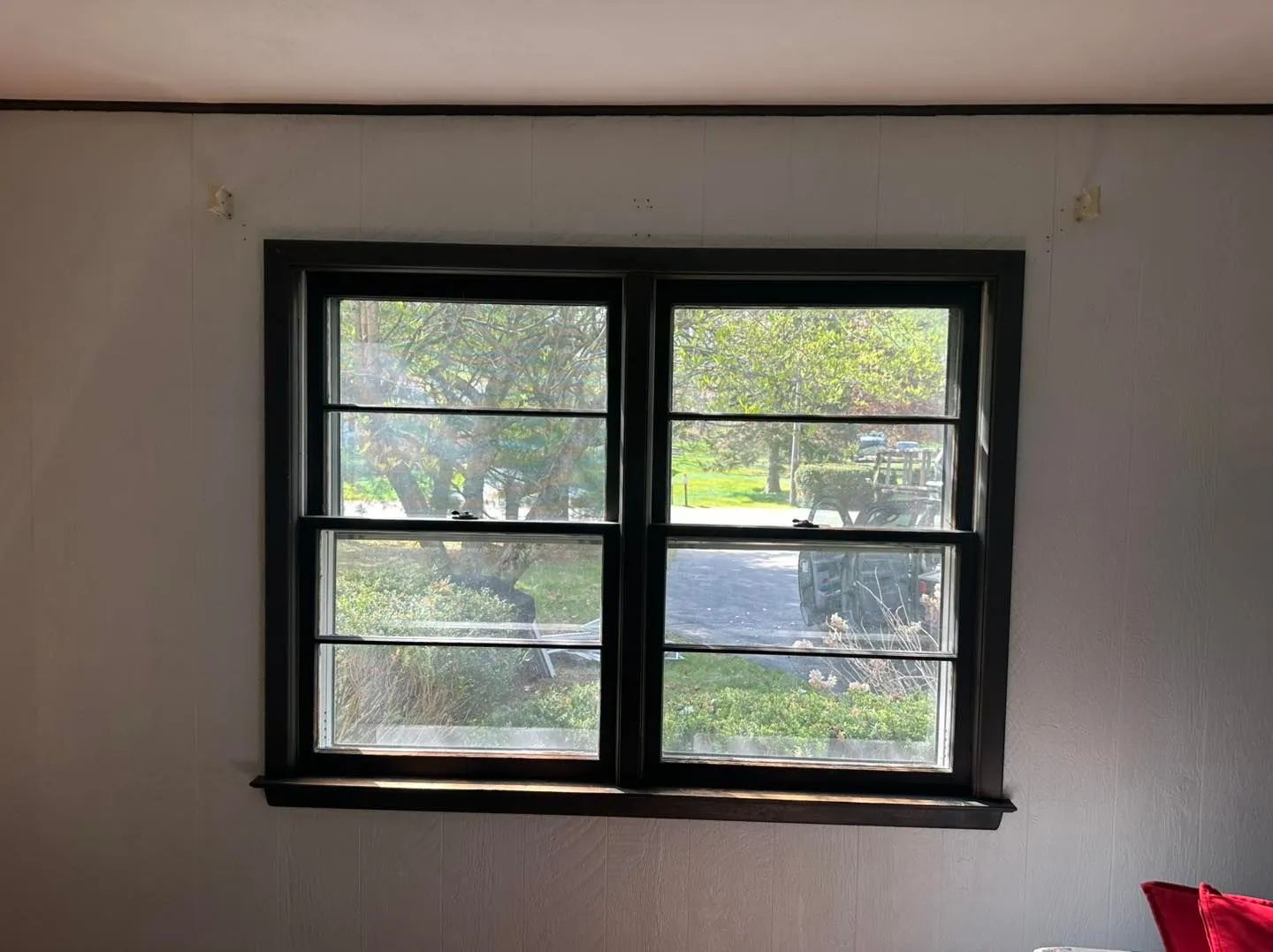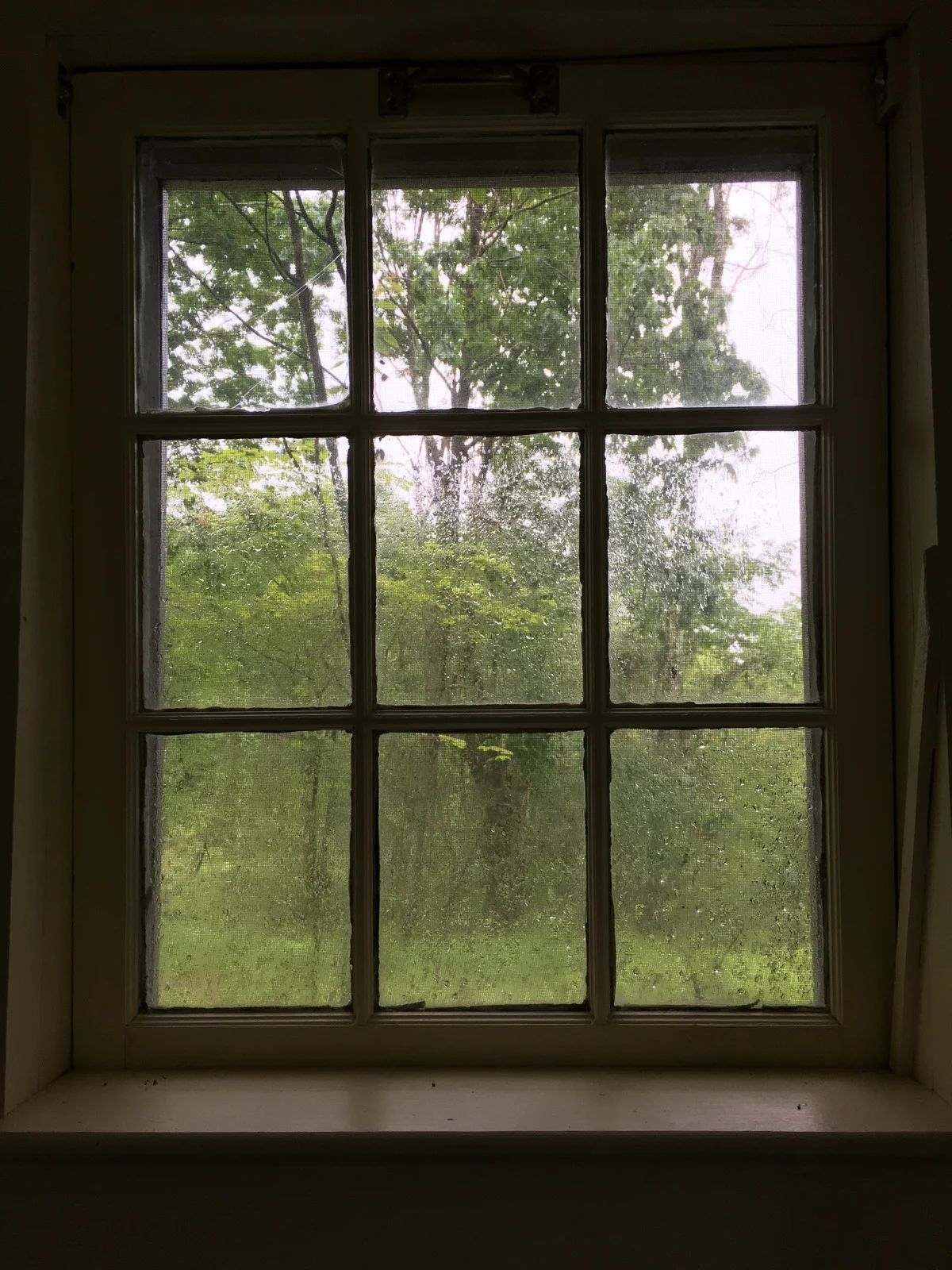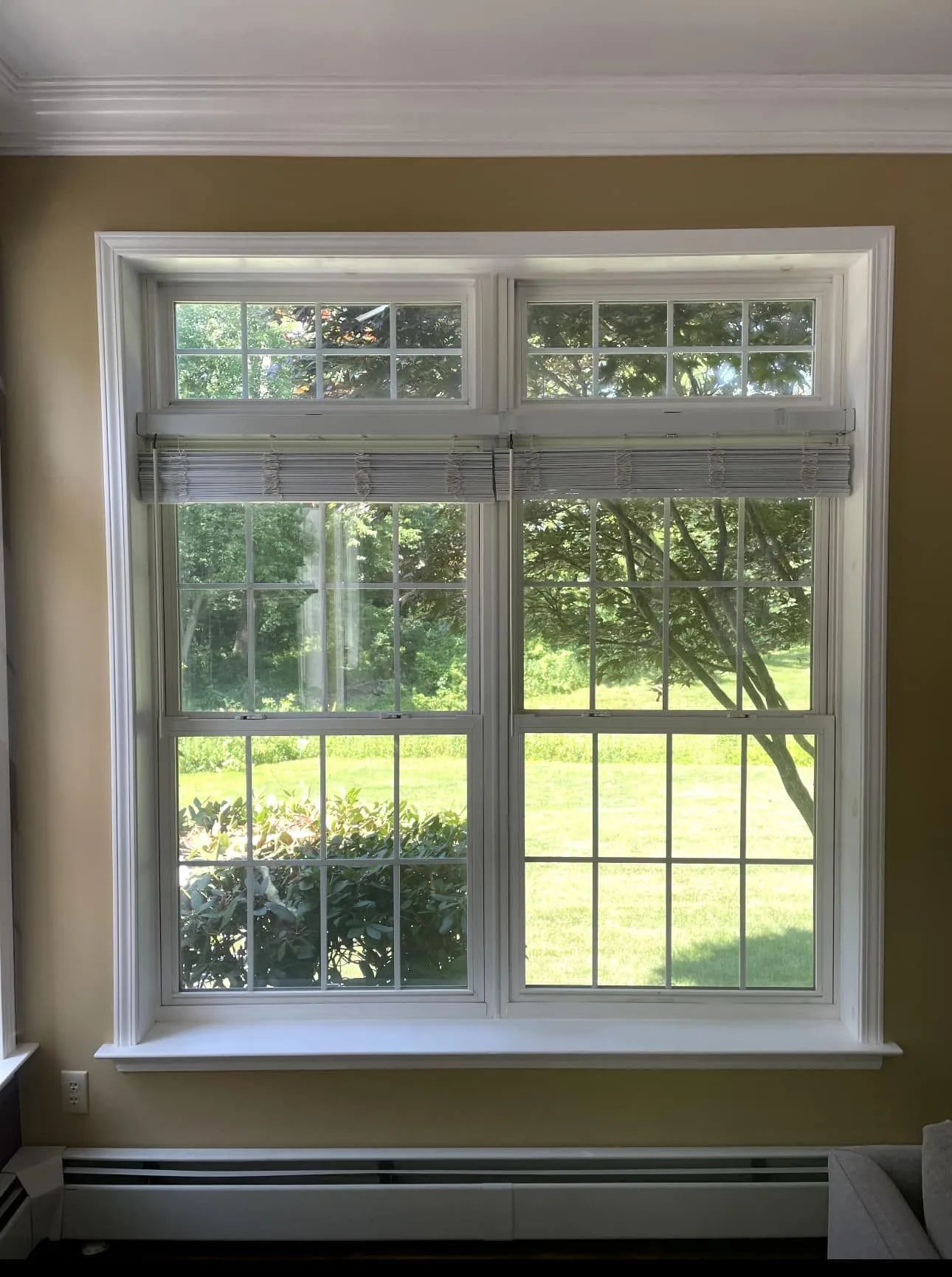
Choosing the right material for your window replacement is a decision that can significantly impact your home’s comfort, aesthetics, and long-term value. With multiple options available, homeowners are often faced with the challenge of balancing durability, energy efficiency, maintenance requirements, and design flexibility. Windows are not just functional elements—they shape the overall appearance of your home, influence heating and cooling costs, and contribute to your property’s resale potential. Understanding the strengths and limitations of different materials is essential for making a well-informed investment in your home.
Among the most popular options today are vinyl, wood, and fiberglass. Each material offers unique advantages, from the low-maintenance appeal of vinyl to the natural elegance of wood and the structural resilience of fiberglass. However, each also comes with considerations that homeowners should weigh carefully, such as cost, longevity, and susceptibility to environmental factors. This blog will provide a detailed comparison of these three materials, offering insights into performance, design flexibility, energy efficiency, and maintenance. By the end, you will have a clear understanding of which material aligns best with your home improvement goals, lifestyle, and budget.
1. Vinyl Windows: Affordable and Low-Maintenance Option
Overview of Vinyl Windows
Vinyl windows are manufactured from polyvinyl chloride (PVC), a versatile and durable plastic. They have become one of the most widely used materials for window replacement due to their affordability, ease of installation, and minimal maintenance needs. Vinyl windows are available in a variety of styles, including single-hung, double-hung, sliding, and casement, making them suitable for both modern and traditional home designs.
Benefits of Vinyl Windows
- Cost-Effective: Vinyl windows are generally less expensive than wood or fiberglass, making them an attractive option for budget-conscious homeowners.
- Low Maintenance: Unlike wood, vinyl does not require painting or staining. A simple cleaning with mild soap and water is typically sufficient.
- Energy Efficiency: Many vinyl windows feature multi-chambered frames and are compatible with double or triple-pane glass, improving insulation and reducing energy bills.
Challenges with Vinyl Windows
- Limited Color Options: Most vinyl windows are produced in standard colors, and custom finishes may be limited.
- Durability Concerns: While durable, vinyl can warp or crack under extreme heat or impact. High-quality vinyl products mitigate this risk, but it remains a consideration in regions with harsh climates.
Real-World Scenario
Consider a homeowner in a suburban setting who wants to replace all windows without breaking the budget. Vinyl windows offer an affordable, energy-efficient, and visually clean solution, ideal for homes with moderate climate exposure.
Best Practices for Vinyl Windows
- Ensure proper installation to prevent air or water leaks.
- Choose vinyl frames with reinforced internal structures for improved durability.
- Opt for energy-efficient glass packages to maximize performance.
2. Wood Windows: Timeless Elegance and Natural Beauty
Overview of Wood Windows
Wood windows provide a classic, warm, and natural appearance that is difficult to replicate with synthetic materials. They are often favored in historic homes or high-end properties where aesthetic appeal and architectural detail are priorities. Wood frames can be customized with stains, paints, and intricate moldings, offering unparalleled design flexibility.
Benefits of Wood Windows
- Aesthetic Appeal: Wood’s natural grain and texture create a sophisticated and timeless look.
- Customizability: Wood can be painted or stained to match interior décor or exterior trim.
- Insulation Performance: Wood is a natural insulator, helping to maintain interior temperature and improve energy efficiency.
Challenges with Wood Windows
- Maintenance Requirements: Wood windows require regular upkeep, including painting or sealing, to prevent rot, warping, and insect damage.
- Higher Initial Cost: Compared to vinyl, wood windows are more expensive both in terms of material and installation.
- Environmental Sensitivity: Exposure to moisture, extreme temperatures, and direct sunlight can impact the longevity of wood windows if not properly treated
- Real-World Scenario:-
In a historical home with ornate detailing, wood windows allow homeowners to preserve the property’s charm while integrating modern energy-efficient glass. The investment in maintenance and initial cost is justified by the long-lasting visual impact and performance.
Best Practices for Wood Windows
- Use high-quality, rot-resistant wood species such as mahogany, cedar, or oak.
- Apply durable paints or stains and reapply as needed to maintain protection.
- Incorporate weatherstripping and modern glazing techniques to optimize energy efficiency.
3. Fiberglass Windows: Strength Meets Versatility
Overview of Fiberglass Windows
Fiberglass windows combine strength, durability, and energy efficiency in a low-maintenance package. They are made from glass fibers embedded in a resin matrix, offering a material that is dimensionally stable and resistant to warping, cracking, and moisture-related damage. Fiberglass can also be painted or coated, providing flexibility in design.
Benefits of Fiberglass Windows
- Durability: Fiberglass is highly resistant to expansion, contraction, and warping, making it ideal for areas with extreme weather fluctuations.
- Low Maintenance: Similar to vinyl, fiberglass requires minimal upkeep and does not rot or corrode.
- Energy Efficiency: The thermal performance of fiberglass is excellent, and it pairs well with high-performance glass units.
- Design Flexibility: Fiberglass can mimic the look of wood and be painted in virtually any color.
Challenges with Fiberglass Windows
- Higher Cost: Fiberglass windows tend to be more expensive than vinyl and sometimes even wood, depending on the design and finish.
- Installation Complexity: Due to their strength and weight, fiberglass windows may require professional installation to ensure proper fit and performance.
- Real-World Scenario:-
For a coastal home exposed to salt air and fluctuating temperatures, fiberglass windows provide a durable, low-maintenance solution. They retain their shape and finish over time, outperforming vinyl in terms of long-term reliability while offering similar low-maintenance benefits.
Best Practices for Fiberglass Windows
- Ensure installation is done by trained professionals to maximize structural integrity.
- Use factory-finished fiberglass to reduce onsite painting and maintenance needs.
- Pair with energy-efficient glass packages for maximum performance in insulation and UV protection.
4. Performance Comparison: Energy Efficiency, Longevity, and Maintenance
Energy Efficiency
- Vinyl: Offers solid energy performance when paired with double or triple-pane glass but can lose shape under extreme heat, potentially affecting insulation.
- Wood: Naturally insulating and highly energy-efficient; performance depends on the quality of the seal and maintenance of paint or stain.
- Fiberglass: Provides superior thermal stability and excellent energy efficiency even under extreme temperatures
Longevity and Durability
- Vinyl: Typically lasts 20–30 years, with potential warping in high-heat environments.
- Wood: Can last 50+ years if properly maintained but susceptible to rot, pests, and moisture damage.
- Fiberglass: Lifespan often exceeds 50 years; highly resistant to weather, moisture, and UV damage.
Maintenance Considerations
- Vinyl: Minimal maintenance; occasional cleaning is sufficient.
- Wood: Requires regular painting, staining, and inspection for rot or pests.
- Fiberglass: Minimal maintenance; periodic cleaning and repainting if painted finish is desired.
5. Cost and Value Analysis
Upfront Costs
- Vinyl: Lowest upfront cost, making it attractive for budget-conscious homeowners.
- Wood: Highest initial cost due to material and labor-intensive installation.
- Fiberglass: Mid-to-high range; cost is offset by longevity and low maintenance.
Long-Term Value
- Vinyl windows offer immediate cost savings but may require earlier replacement than wood or fiberglass.
- Wood windows provide significant aesthetic and property value benefits but come with higher maintenance costs.
- Fiberglass strikes a balance between cost, durability, and low maintenance, offering excellent long-term value.
6. Design and Aesthetic Flexibility
Style and Finish Options
- Vinyl: Limited in color and texture; newer products offer faux wood finishes but with less authenticity.
- Wood: Highly customizable in color, finish, and detailing; can be crafted to match historic or modern designs.
- Fiberglass: Can mimic wood or painted finishes, offering a versatile aesthetic while maintaining structural strength.
Window Size and Shape Flexibility
- Vinyl: Available in standard sizes and shapes; custom sizes may increase costs.
- Wood: Easily customizable for unique architectural designs or specialty shapes.
- Fiberglass: Offers flexibility for larger windows and non-standard shapes due to its structural stability.
Real-World Example
A homeowner renovating a Victorian-style property may choose wood for authentic detailing, whereas a contemporary home seeking minimal maintenance with large picture windows may benefit from fiberglass. Vinyl is ideal for straightforward replacement projects with budget constraints.
Experienced Professionals Ensuring Quality Window Replacements
Selecting the right window material requires careful consideration of budget, maintenance, energy efficiency, durability, and design preferences. Vinyl windows provide an affordable, low-maintenance solution suitable for many homes. Wood windows offer unmatched aesthetic appeal and insulation performance but demand regular upkeep. Fiberglass strikes a balance between strength, low maintenance, and design flexibility, making it ideal for long-term investment and homes in challenging climates. Understanding these differences empowers homeowners to make informed decisions that align with both lifestyle and property goals.
Elegant Choice Window and Door
has been providing expert
window and door replacement services
in Marlboro and the Mid-Hudson Valley, New York, for over 20
years. Our team specializes in helping homeowners choose the right materials and styles that combine durability, energy efficiency, and visual appeal. With a focus on precision installation, high-quality products, and personalized service, we ensure every project enhances comfort, beauty, and property value. Trust us for expert guidance, seamless installation, and results that stand the test of time, reflecting our decades of experience and commitment to excellence.