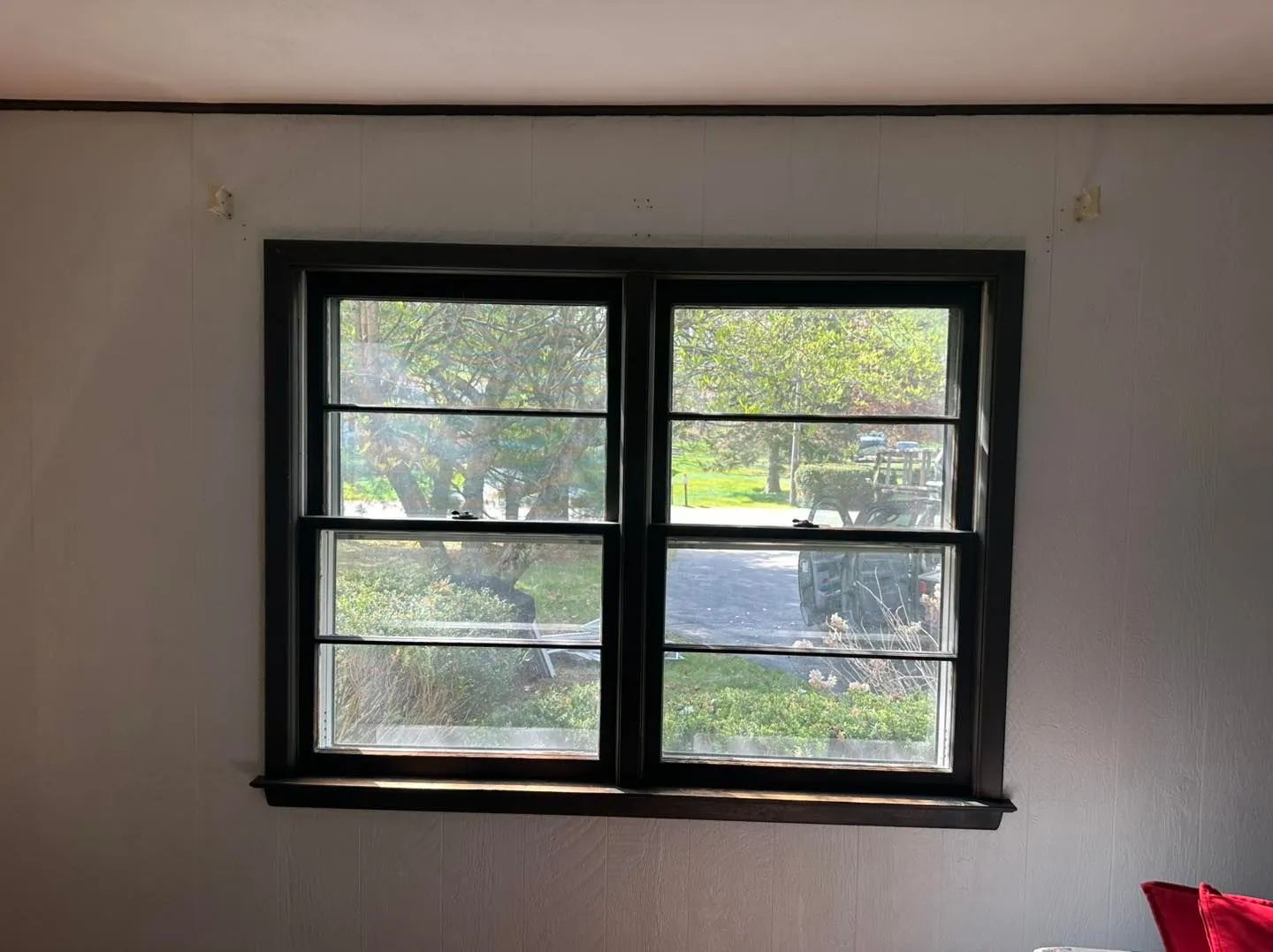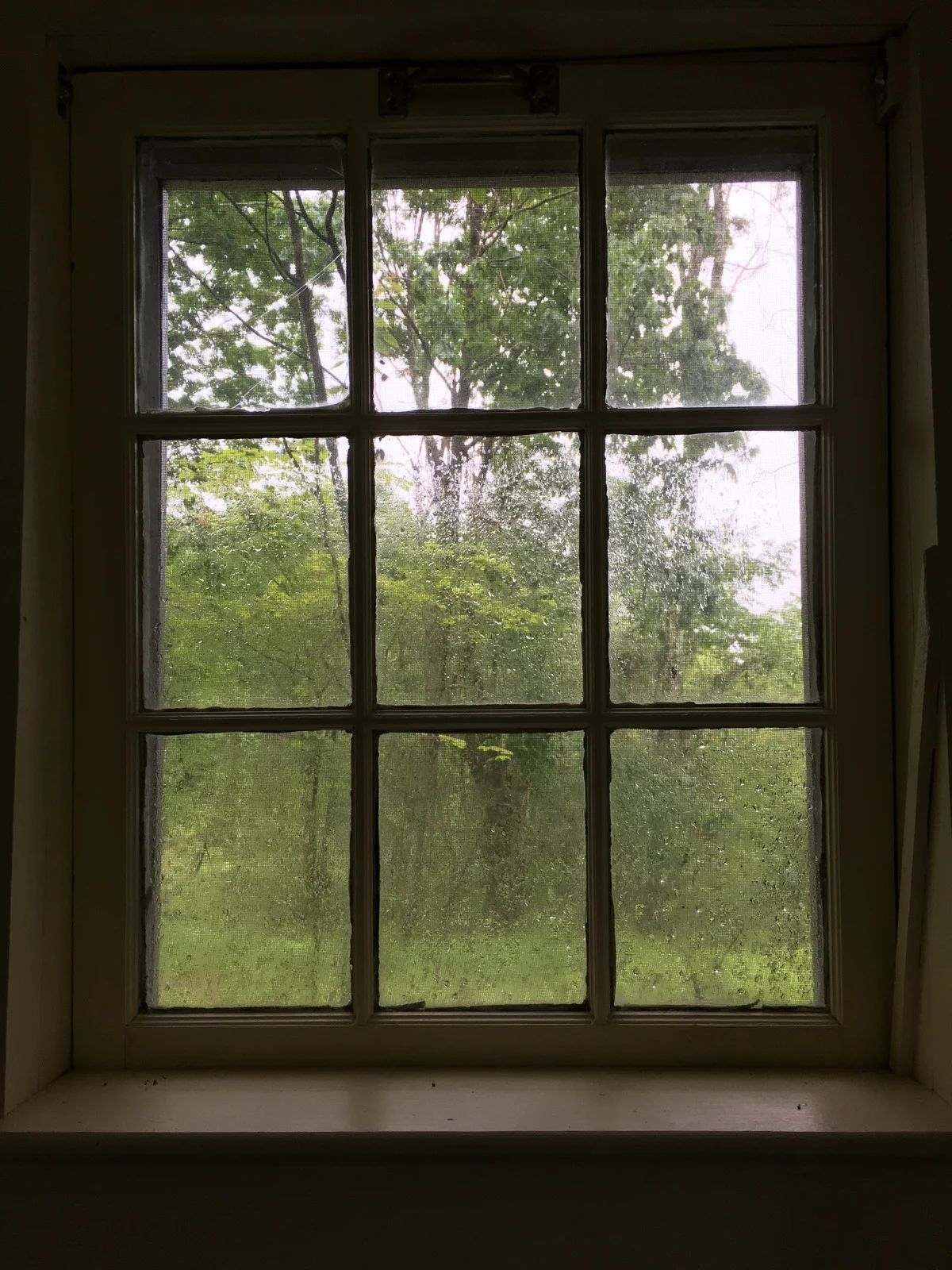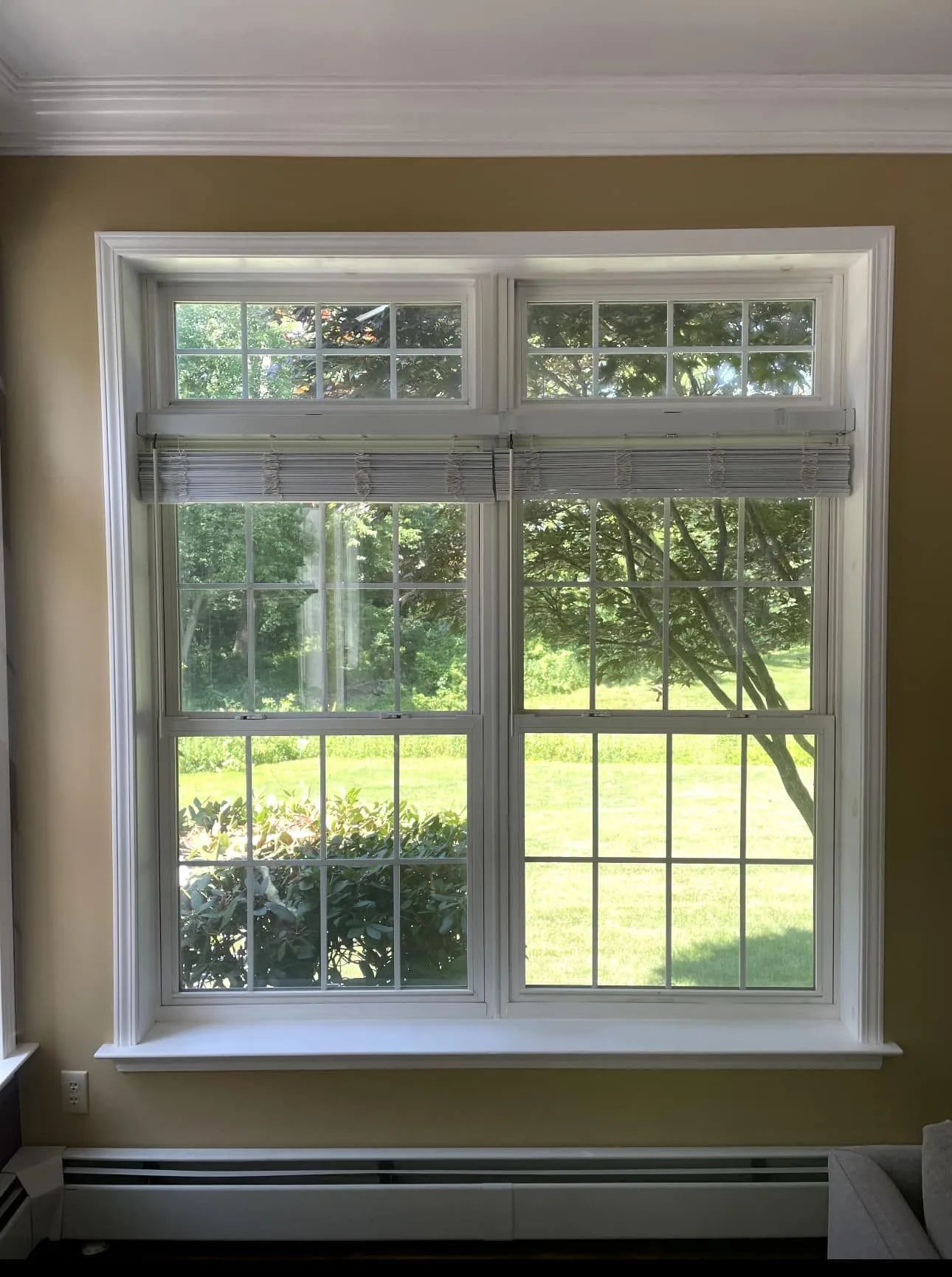
Older windows are often overlooked when homeowners assess comfort issues or rising energy bills. Drafty rooms, uneven temperatures, and persistent condensation are frequently blamed on weather or HVAC systems, yet aging windows are commonly the underlying cause. As building science has evolved, so have expectations around insulation, air sealing, and energy efficiency. Windows installed decades ago were not designed to meet modern performance standards, and over time, wear and material degradation further reduce their effectiveness. This makes older windows a silent but significant factor in household discomfort and escalating utility costs. Because these issues develop gradually, many homeowners adapt without realizing the true source of the problem. The result is ongoing discomfort that becomes normalized, masking an inefficiency that quietly affects daily living and long-term expenses.
In today’s energy-conscious environment, understanding how windows influence indoor comfort and operational expenses is increasingly important. Homeowners are facing higher heating and cooling demands, fluctuating energy prices, and greater awareness of sustainability. Against this backdrop, outdated windows can undermine otherwise efficient homes by allowing heat loss in winter and heat gain in summer. This inefficiency places additional strain on HVAC systems, reducing their lifespan and effectiveness. Examining the connection between window age, comfort levels, and energy consumption provides valuable insight for making informed improvement decisions. This discussion explores how older windows affect daily living conditions, the hidden costs they introduce, and why addressing them can be a strategic step toward a more comfortable and efficient home. It also highlights how proactive upgrades can support long-term savings and improved home performance.
The Science Behind Window Performance
Understanding Heat Transfer and Insulation
Windows play a critical role in regulating heat transfer between indoor and outdoor environments within a home. Older windows commonly rely on single pane glass or early double pane designs that provide limited insulation. Heat naturally moves from warmer areas toward cooler ones, and inefficient windows accelerate this process significantly. During winter, indoor heat escapes through glass and frames, while summer allows exterior heat to enter. This constant exchange forces heating and cooling systems to operate longer, increasing energy use and reducing overall indoor comfort levels for occupants daily use.
Air Leakage and Frame Degradation
Beyond glass performance, window frames and seals play an equally important role in efficiency. Over time, wood frames may warp, vinyl can become brittle, and metal frames often lose effective thermal breaks. These changes create small gaps that permit unwanted air leakage throughout the structure. Even minor drafts noticeably affect comfort, especially near windows where occupants feel cold spots or warm gusts. From an energy perspective, uncontrolled air movement undermines insulation across the home, raising heating and cooling demand year round and increasing long term utility costs overall for homeowners.
Comfort Issues Caused by Older Windows
Uneven Indoor Temperatures
One of the most noticeable consequences of older windows is uneven indoor temperature distribution. Rooms containing aging windows often feel colder during winter and excessively warmer throughout summer compared to interior spaces. This imbalance reduces comfort and can cause certain rooms to remain unused for extended periods. Homeowners frequently respond by adjusting thermostats repeatedly in an attempt to compensate. Unfortunately, these adjustments increase energy consumption while failing to address the underlying problem of inefficient window performance over time impacting comfort, budgets, and daily living quality significantly for many families today.
Drafts, Condensation, and Noise
Drafts, condensation, and noise are persistent issues commonly associated with older window systems. Drafts become especially noticeable during windy conditions, creating discomfort even when heating systems function properly. Condensation forms because outdated glazing lacks modern coatings that manage temperature differences effectively. Moisture buildup can obscure visibility and contribute to mold growth or frame damage. Additionally, older windows offer minimal sound insulation, allowing exterior noise to intrude and disrupt indoor comfort levels. This combination often reduces relaxation, sleep quality, productivity, and overall satisfaction within the home environment for occupants year round.
The Impact on Energy Bills
Seasonal Energy Fluctuations
Older windows often intensify seasonal energy fluctuations throughout the year. During periods of extreme cold or heat, their poor insulation becomes increasingly noticeable. As a result, energy consumption rises sharply during peak seasons even when household habits remain consistent. Homeowners may observe sudden spikes in utility bills without clear explanations. Over time, these recurring increases accumulate, transforming inefficient windows into a long term financial burden rather than a neutral building feature. This ongoing cost impact is frequently underestimated during routine home budgeting decisions by many homeowners nationwide today each year.
Real World Scenarios and Hidden Costs
Everyday Living Challenges
Older windows can create daily living challenges that extend beyond energy efficiency concerns. Imagine a living room exposed to prevailing winds with original windows installed decades ago. Despite a properly functioning heating system, occupants experience persistent chills near the glass. To compensate, space heaters are often used for temporary relief. While effective short term, this approach increases electricity usage, raises safety risks, and highlights how inefficient windows encourage costly coping behaviors. Such situations demonstrate hidden consequences impacting comfort, finances, and household safety over time in many older residential properties today.
Maintenance and Repair Expenses
Maintenance demands represent another hidden cost associated with aging window installations. Older units frequently require repairs for sticking sashes, peeling finishes, or deteriorated seals. These ongoing issues demand time, money, and repeated attention from homeowners. Replacement parts may be difficult to locate, further increasing expenses and delays. When combined with elevated energy bills, the cumulative cost of maintaining outdated windows can surpass the investment required for modern, high performance replacements. This reality often makes full replacement a financially practical and strategic decision for long term homeowners seeking efficiency improvements overall.
Best Practices for Improving Comfort and Efficiency
Assessing Window Condition
Improving window performance begins with carefully assessing the condition of existing units. Common warning signs include visible gaps, condensation between panes, operational difficulty, and noticeable drafts. These indicators signal reduced insulation and air sealing effectiveness. Professional evaluations can measure air leakage rates and thermal performance accurately. Such assessments provide homeowners with clear data regarding energy loss, helping prioritize whether repairs or full replacements will deliver the greatest comfort and efficiency improvements. This informed approach supports smarter decisions and avoids unnecessary spending during home improvement planning processes over the years ahead.
Strategic Upgrades and Long Term Benefits
Modern window solutions emphasize advanced glazing, superior insulation, and durable frame materials. Although replacement requires an upfront investment, the long term advantages are substantial. Homeowners benefit from lower energy bills, improved indoor comfort, and reduced maintenance demands. Enhanced windows help stabilize indoor temperatures, allowing HVAC systems to operate more efficiently. Over time, these improvements translate into measurable energy savings, extended equipment life, and a quieter, more enjoyable living environment. Collectively, these benefits make window upgrades a smart long term investment for homes focused on efficiency comfort and value over time.
Expert Craftsmanship Delivering Comfort and Efficiency
Older windows influence far more than a home’s appearance. They directly affect indoor comfort, energy efficiency, and ongoing household expenses. Through increased heat transfer, air leakage, and inconsistent insulation, aging windows create drafts, uneven temperatures, and higher utility bills. These challenges often prompt short-term fixes that add cost without addressing the underlying issue. Understanding how window performance impacts daily living allows homeowners to make informed decisions that prioritize comfort and efficiency. By recognizing the signs of window-related energy loss and considering modern solutions, it becomes possible to reduce energy consumption, stabilize indoor temperatures, and enhance overall quality of life. Over time, these improvements contribute to lower operating costs and a healthier, more comfortable living environment. Addressing window performance proactively helps prevent small inefficiencies from becoming long-term financial burdens.
Elegant Choice Window and Door
stands as a trusted authority in the window and door replacement industry, serving homeowners throughout Marlboro and the Mid-Hudson Valley of New York. With more than 20
years of experience, the company has built a strong reputation for delivering solutions that directly address comfort and energy efficiency challenges caused by outdated windows. Their expertise is grounded in a deep understanding of modern window technology, regional climate demands, and the practical needs of homeowners seeking long-term value. By focusing on quality materials, precise installation, and transparent guidance, Elegant Choice Window and Door
helps clients transform inefficient spaces into comfortable, energy-conscious homes. Their team emphasizes education and clear communication throughout every project. This approach empowers homeowners to choose solutions that align with both performance goals and budget considerations. Their long-standing presence in the industry reflects a commitment to professionalism, reliability, and results that align with the principles discussed throughout this blog.