Quick Answer: A closed window that still feels drafty is leaking air somewhere in the assembly, not through the glass itself. The usual culprits are worn weatherstripping, a sash that no longer seats tightly, gaps hidden behind the trim from an aging installation, cracked glazing putty, or a failed insulated glass seal. Cold, windy winter days make the leak obvious because the pressure and temperature difference between inside and outside is at its peak. A window that once sealed and now leaks is telling you the seal points have worn out, and past a certain point sealing only slows the loss rather than stopping it.
It is one of the colder nights of the season, the thermostat says the room should be comfortable, and yet you can feel a thin ribbon of cold air sliding off the window even though every sash is shut and locked. You hold a hand near the frame and the draft is unmistakable. You push the sash tighter, maybe wedge a rolled towel on the sill, and the room still never quite warms up the way the rest of the house does.
That draft is not your imagination, and it is not simply cold glass radiating at you. A window that is fully closed and still leaking air has a real, physical gap somewhere in the assembly, and in an older home it usually has several. Across the Hudson Valley, where winters run long and the wind comes off the river, aging double-hung and casement windows are one of the most common reasons a room feels cold no matter how high you set the heat. Here is what is actually leaking, why the coldest days make it worse, and how to tell when sealing has stopped being worth the trouble.
What "Drafty When Shut" Actually Means
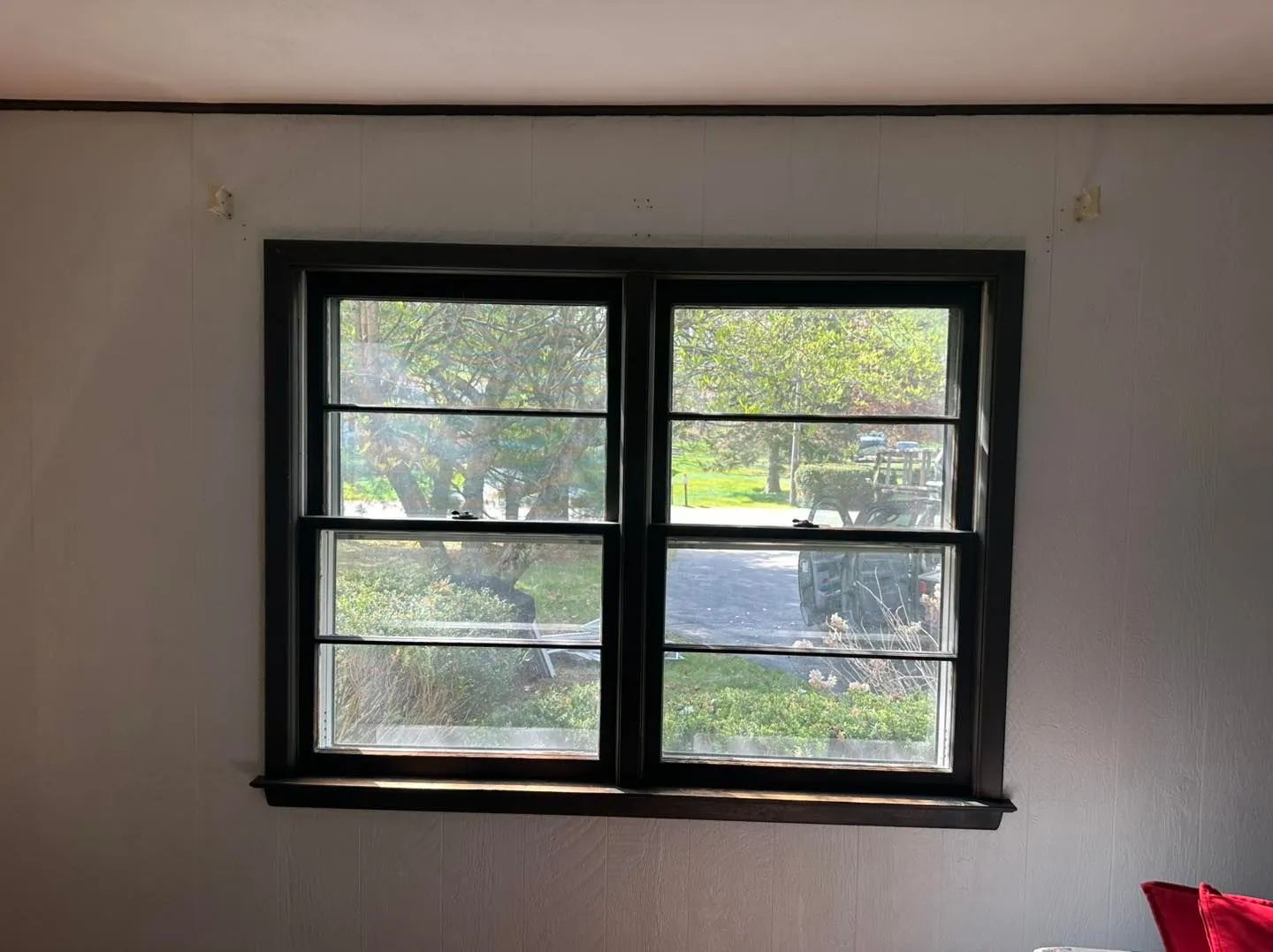
A window is not one solid part. It is an assembly of a frame anchored to the wall, one or more sashes that move within that frame, glass held in place by glazing, and a set of seals and weatherstrips meant to close the small gaps where those parts meet. Air can leak at any of those junctions. When people say a window is drafty even when shut, what they are describing is air infiltration, the amount of outside air passing through the assembly, and it is happening at a joint, not through the pane.
That distinction matters because it points you toward the fix. No window is ever perfectly airtight, and a tiny amount of airflow is actually normal and even helpful, giving interior moisture a path to escape so it does not sit and condense. The problem is when that trickle becomes a steady, noticeable draft. At that point the parts that are supposed to close the gaps have worn, shrunk, cracked, or shifted out of position, and the window is letting far more air through than it was built to.
Where Old Windows Leak Air
Because the leak lives at a joint, the diagnosis is a matter of checking each joint in turn. These are the places an older window most often gives out, roughly in the order you should suspect them.
Worn weatherstripping
The felt, foam, or flexible fin that seals the gap between a moving sash and the frame is a wear item. Heat and cold flatten it until it no longer fills the gap. This is the most common source.
A sash that no longer seats tightly
On older double-hung windows, the sash is meant to pull snug against the frame when closed. As hardware wears, it can sit loose or rack out of square, leaving a gap. A sash you can rattle is leaking.
Gaps hidden behind the trim
Some of the worst leaks are ones you cannot see. The space between the window frame and the rough opening was supposed to be sealed. Over the years it opens into a path concealed behind the interior casing.
Cracked or missing glazing putty
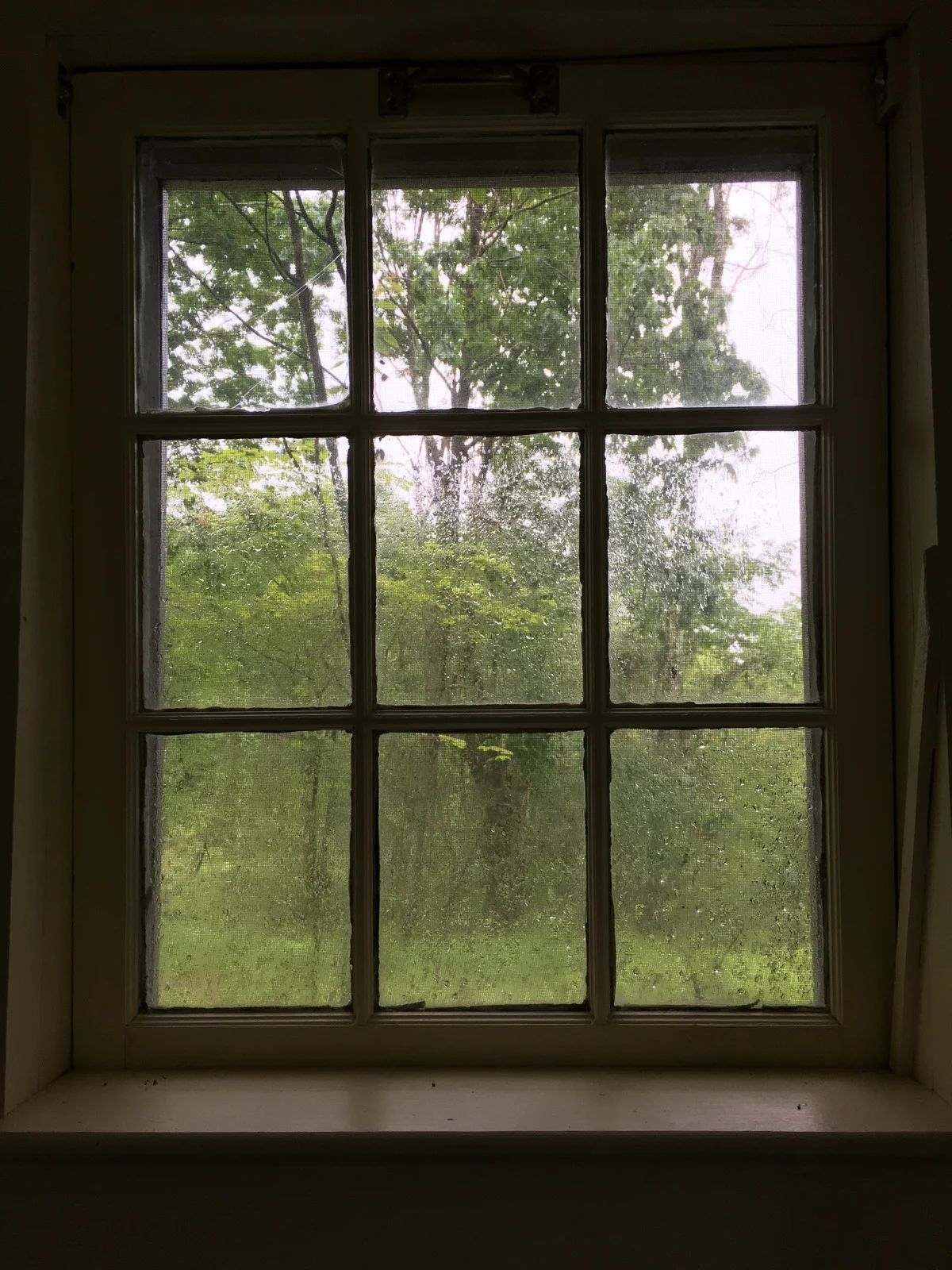
On traditional wood windows, the glass is bedded in glazing compound along the outside edge. That putty hardens, shrinks, and falls out with age, opening a fine seam around each pane. Added across every light, it leaks.
A failed insulated glass seal
In a double-pane window, the two panes are joined by an edge seal holding the gas fill. When it fails, you see fog trapped between the panes, and that section becomes a cold surface that feels drafty.
Single-pane glass and the cold-glass draft
If the window is a true single pane, part of what you feel may not be leaking air. Room air touching cold glass cools, grows denser, and slides downward, creating a current that feels exactly like a draft.
What the Air Leakage Rating Tells You
If you do end up shopping for replacement windows, there is one number that speaks directly to the drafty-when-shut problem: the air leakage rating. It measures how much air passes through the window assembly, and unlike a lot of marketing language, it is tested and printed on the label of any rated window.
Lower is better, because a lower number means less air slipping through. The efficiency threshold sits at 0.3, measured as cubic feet of air per minute for each square foot of window, and a window rated above that level is considered leaky enough that it cannot earn ENERGY STAR certification. That rating lives alongside the other numbers a window is graded on, including the U-factor for how much heat escapes, the solar heat gain coefficient for how much heat the sun brings in, and visible transmittance for how much daylight comes through. For a cold-climate draft problem, air leakage and U-factor are the two to watch.
The payoff for closing those leaks is measurable. Swapping old, leaky windows for certified efficient ones lowers a home's utility bills by around 12 percent on average, and sealing air leaks throughout the house along with proper insulation saves roughly 15 percent on heating and cooling. Those numbers exist because air infiltration is one of the largest and most fixable sources of wasted heat in an older home.
Sealing vs. Replacing: When Patching Stops Paying Off
Not every drafty window needs to be replaced, and the honest answer depends on where the leak is and how far the window has gone. Fresh weatherstripping, new glazing putty, a tuned-up lock that draws the sash tight, and sealing the gap behind the interior trim are all real repairs that can quiet a draft on a window that is otherwise sound. If the frame is solid and the glass is intact, start there.
The calculus changes when the leaks are everywhere at once. When the weatherstripping is shot, the sash no longer seats, the putty is crumbling, the hidden gap around the frame has opened, and the glass is single pane or fogged, you are no longer sealing a window, you are chasing it. Each patch slows the loss without restoring the window to what a tight, modern assembly does, and you find yourself re-doing the same joints every couple of winters. A window that has reached that stage, especially in a house full of others just like it, is usually past the point where sealing pays for itself in comfort or in heat kept inside.
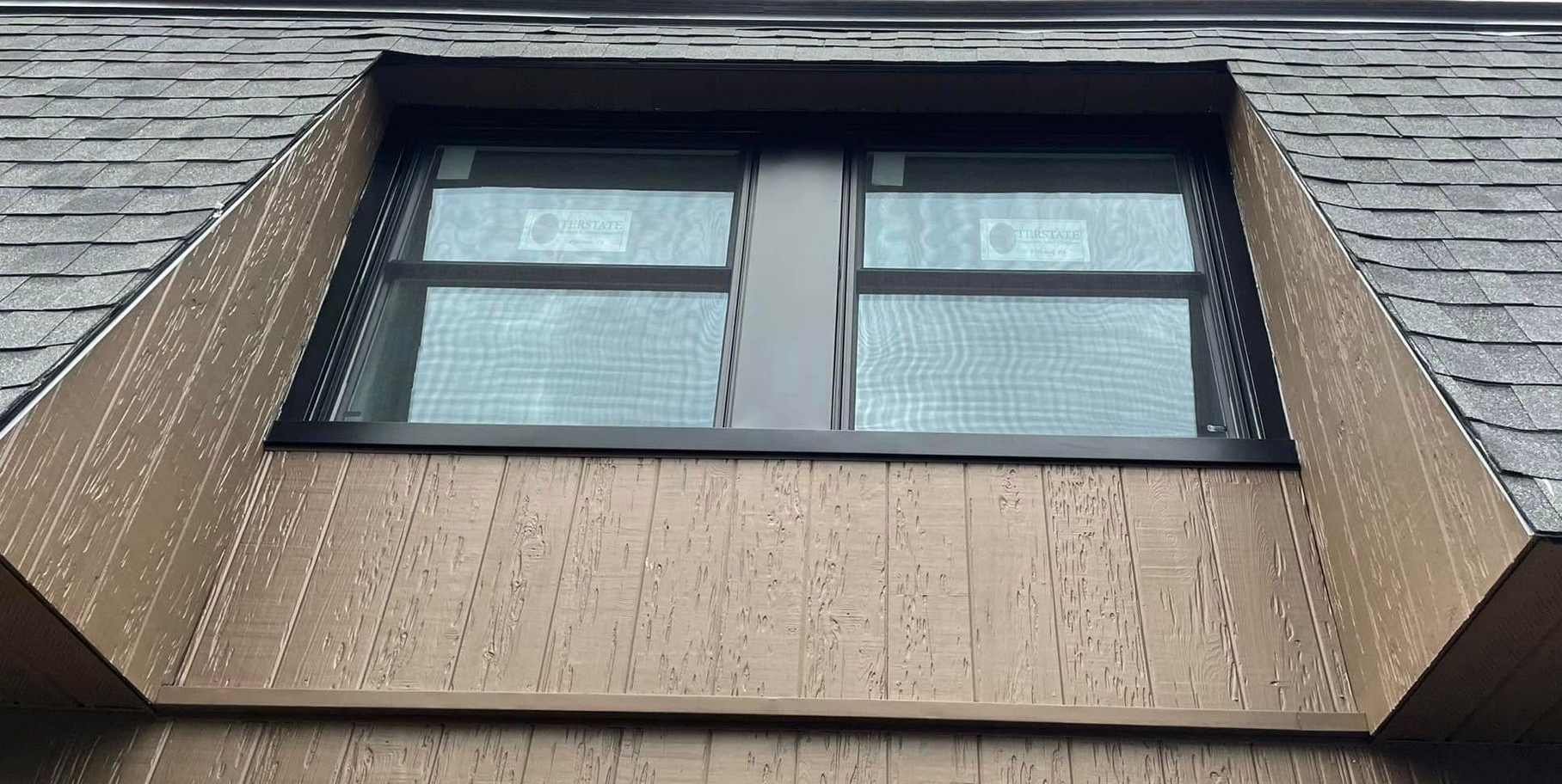
Rot is the deciding factor for many older windows. Once water has been getting in behind failed putty or a leaking sill and the wood has gone soft, weatherstripping cannot fix a frame that no longer holds a seal or an anchor, and the damage tends to spread to the surrounding structure. That is the situation where full replacement, properly measured and sealed into the opening, stops the draft at its source instead of managing it season after season.
Warning: Do not seal a drafty window so tightly that you close off every path for moisture, especially on single-pane or older units. Interior humidity needs somewhere to go, and a window sealed airtight with no attention to the moisture behind it can trap condensation against the frame and glass, feeding hidden rot and mold. The goal is to stop the uncontrolled draft, not to wrap the window in a vapor trap. If a window already shows soft wood or persistent interior fog, have it looked at rather than sealing over the symptom.
Frequently Asked Questions
Why is my window drafty even though it is closed and locked?
Because the draft comes through a joint in the window assembly, not the glass. Worn weatherstripping, a sash that no longer seats tightly, cracked glazing, or a hidden gap behind the trim all let air past.
Is the cold I feel a real air leak or just cold glass?
It can be either, and older windows often have both. A genuine leak bends a candle flame. Cold glass instead chills nearby air, which sinks and flows across the floor, feeling like a draft.
Can new weatherstripping alone fix a drafty window?
Sometimes, yes. If the frame and glass are sound and the leak is at the moving sash, new weatherstripping is often the best repair. It will not help if crumbling glazing or a failed seal is responsible.
Why do my windows feel so much draftier on the coldest, windiest days?
The gap did not grow; the forces pushing air through it got stronger. A larger temperature difference, wind pressure on the house, and rising warm air pulling cold air in low all peak in deep winter.
What does the air leakage rating on a window mean?
It is a tested measure of how much air passes through the window. A lower number means fewer leaks, and windows rated worse than 0.3 cubic feet per minute per square foot cannot earn ENERGY STAR certification.
Should I repair my drafty windows or replace them?
Repair makes sense when the window is sound and the leak is one isolated part. Replacement makes sense when leaks are everywhere, the glass is single pane or fogged, or the wood has begun to rot.
Getting a Room That Finally Holds Its Heat
A window that stays drafty after you have shut and locked it is not something to live with under a rolled towel every winter. The cold air is finding a worn seal, a loose sash, cracked glazing, or a gap hidden behind the trim, and the coldest, windiest Hudson Valley nights simply make an existing leak impossible to ignore. Track down where the air is actually moving, fix the isolated leaks that are worth fixing, and be honest about the windows that have run out of seal to restore. That is the difference between a room that fights the cold all season and one that finally holds the heat you are paying for.
Schedule a
window assessment before the next cold snap. Warmer, quieter rooms start with finding exactly where your windows are leaking and matching the fix to the window. Our team traces the draft to its source, whether that is worn weatherstripping and a loose sash worth resealing or single-pane, fogged, and rot-damaged units that need full-frame replacement sealed tightly into the opening. With more than 20 years of craftsman installation behind every job and a lifetime workmanship guarantee, Elegant Choice Window and Door fits premium windows built to shut out the Hudson Valley winter for good. Serving Marlboro and the Mid-Hudson Valley, New York, our team is ready to help. Reach out to book your no-pressure evaluation and start planning the fix.